


Weight Loss Stuck? Your Gut Might Be the Missing Piece
-
June 03, 2026
-
262 Views
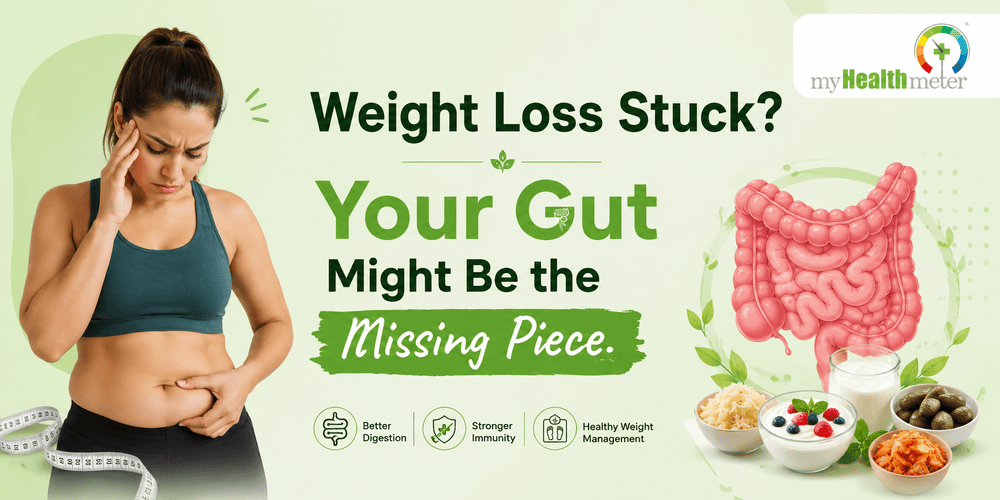
Weight Loss Stuck? Your Gut Might Be the Missing Piece
You've been eating healthy, counting calories, walking regularly, and trying your best to lose weight. The initial kilos came off, but suddenly the scale refuses to budge. Sound familiar?
Many people assume that weight loss is simply about eating less and exercising more. While these factors are important, there is another powerful player that often goes unnoticed: your gut health.
Your gut is home to trillions of microorganisms collectively known as the gut microbiome. These bacteria, fungi, and other microbes play a vital role in digestion, metabolism, immunity, and even weight management. When your gut is healthy, your body functions efficiently. When it is not, losing weight can become significantly more challenging.
The Gut-Weight Connection
The food you eat does more than provide calories. It also feeds the microorganisms living in your digestive system. A diverse and balanced gut microbiome helps your body:
- Digest food efficiently
- Extract nutrients effectively
- Regulate hunger and fullness signals
- Control inflammation
- Support healthy metabolism
Research suggests that certain gut bacteria can influence how many calories are absorbed from food, how fat is stored, and how hungry you feel throughout the day.
When the balance of gut bacteria is disrupted, a condition known as dysbiosis can occur. This imbalance may contribute to weight gain and make weight loss more difficult despite your efforts.
Why Poor Gut Health Can Cause Weight Loss Plateaus
Increased Inflammation
An unhealthy gut can trigger low-grade inflammation throughout the body. Chronic inflammation may interfere with insulin sensitivity and metabolic function, making it harder for the body to burn fat efficiently.
Altered Hunger Hormones
Your gut communicates directly with your brain through what's known as the gut-brain axis. Poor gut health can disrupt hormones that regulate appetite, such as ghrelin and leptin, leading to increased cravings and overeating.
Slower Digestion
When digestion is compromised, food may move too slowly through the digestive tract. This can lead to bloating, discomfort, and a feeling of heaviness that often discourages physical activity.
Poor Nutrient Absorption
Even if you're eating healthy foods, an unhealthy gut may struggle to absorb nutrients properly. Nutritional deficiencies can affect energy levels, metabolism, and overall wellness.
Sugar Cravings
Certain gut bacteria thrive on sugar and processed foods. When these bacteria dominate, they may contribute to stronger cravings, making it harder to stick to healthy eating habits.
Signs Your Gut May Need Attention
Many people experience digestive discomfort without realizing it could be affecting their weight-loss journey.
Common symptoms of poor gut health include:
- Frequent bloating
- Constipation
- Diarrhea
- Excessive gas
- Acid reflux
- Persistent fatigue
- Unexplained food sensitivities
- Sugar cravings
- Difficulty losing weight
- Frequent digestive discomfort after meals
While occasional symptoms are normal, persistent issues may indicate that your gut needs support.
Simple Ways to Improve Gut Health
The good news is that small daily habits can make a significant difference.
Eat More Fiber
Fiber acts as food for beneficial gut bacteria. Include fruits, vegetables, whole grains, legumes, and seeds in your daily meals.
Include Fermented Foods
Foods such as curd, yogurt, buttermilk, kefir, and fermented vegetables contain beneficial bacteria that support gut health.
Stay Hydrated
Water supports digestion and helps maintain regular bowel movements.
Prioritize Sleep
Poor sleep can negatively impact both gut health and weight management. Aim for 7–9 hours of quality sleep each night.
Manage Stress
Chronic stress can alter gut bacteria and affect digestion. Activities such as walking, meditation, yoga, or deep breathing can help.
Limit Ultra-Processed Foods
Highly processed foods, excessive sugar, and artificial additives may negatively impact the balance of beneficial gut bacteria.
Stay Physically Active
Regular exercise has been shown to support a more diverse and healthy gut microbiome while also helping with weight management.
Food as Medicine for Your Gut
One of the simplest ways to support both gut health and weight loss is through nutrient-dense meals that provide fiber, protein, and beneficial bacteria.
Here are two easy recipes that can help.
Recipe 1: High-Protein Moong Chilla Wrap
Purpose
Weight loss, satiety, and muscle maintenance
Ingredients
- ½ cup-soaked moong dal
- Ginger
- Green chili
- Salt
- Cumin
- Paneer or tofu stuffing
- Mixed vegetables
Benefits
- High in protein
- Rich in fiber
- Keeps you full for longer
- Supports healthy weight management
Why It Works
Protein increases satiety and helps preserve muscle mass during weight loss. Combined with fiber-rich vegetables and moong dal, this wrap helps stabilize blood sugar levels and reduces unnecessary snacking.
Recipe 2: Gut-Friendly Curd & Beetroot Raita
Purpose
Gut health and digestion
Ingredients
- 1 cup curd or yogurt
- Grated beetroot
- Roasted cumin
- Mint leaves
Benefits
- Provides probiotics for gut health
- Supports digestion
- Rich in antioxidants
- Helps nourish beneficial gut bacteria
Why It Works
Curd contains probiotics that support a healthy gut microbiome, while beetroot provides fiber and plant compounds that promote digestive wellness.
The Bottom Line
If your weight-loss journey has stalled despite healthy eating and regular exercise, it may be time to look beyond calories and focus on your gut health.
A healthy gut supports digestion, metabolism, appetite regulation, and overall well-being. By nourishing your gut through balanced nutrition, adequate sleep, stress management, and regular physical activity, you can create an environment that supports sustainable weight management.
Remember, weight loss is not just about eating less. It's about helping your body function at its best—and that journey often begins in the gut.
Download App


- © 2026 HealthMeter Services Pvt. Ltd. All rights reserved
- Privacy Policy
- Terms of use
- Cancellation & Refund Policy
- Legal
Site by Intermind