


Postural Health Matters Why a Healthy Spine Is the Foundation of Overall Well-Being
-
July 13, 2026
-
207 Views
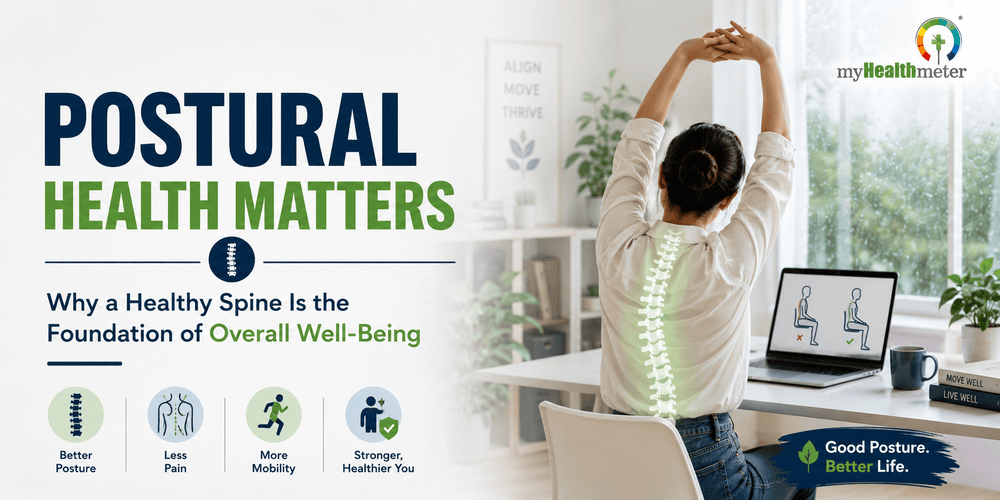
Postural Health Matters Why a Healthy Spine Is the Foundation of Overall Well-Being
Imagine starting your day with a slight stiffness in your neck. You dismiss it as a consequence of sleeping in an awkward position. As the hours pass, the stiffness turns into a dull ache in your shoulders. By evening, sitting at your desk becomes uncomfortable, and you find yourself constantly stretching your back for relief. Weeks go by, and what once felt like a minor inconvenience slowly becomes part of your daily routine.
This is a reality for millions of people. Poor posture often develops silently through long hours of desk work, excessive screen time, improper lifting techniques, and sedentary lifestyles. While it may begin with occasional discomfort, ignoring postural health can eventually lead to chronic musculoskeletal disorders, reduced mobility, and a significantly lower quality of life.
The burden of musculoskeletal conditions is growing rapidly in India. According to the Global Burden of Disease Study, musculoskeletal disorders (MSDs) are among the leading causes of disability worldwide, accounting for nearly 17% of all years lived with disability. In India, it is estimated that one in every five adults’ experiences musculoskeletal pain, while back pain alone affects nearly 60–80% of individuals at some point in their lifetime. Additionally, the increasing prevalence of sedentary occupations and prolonged computer use has contributed to a steady rise in posture-related health concerns among working professionals.
Maintaining good postural health is no longer just about standing straight. It is about protecting your spine, supporting your muscles and joints, preventing chronic pain, and ensuring long-term mobility.
What Is Postural Health and Why Is It Important?
Postural health refers to maintaining the correct alignment of your body while sitting, standing, walking, or performing daily activities. Good posture allows the spine to maintain its natural curves, reducing unnecessary stress on muscles, ligaments, joints, and intervertebral discs.
When your posture is balanced, your body functions efficiently. Your muscles work with minimal effort, breathing becomes easier, circulation improves, and your spine remains well-supported. Poor posture, on the other hand, gradually places excessive strain on multiple parts of the musculoskeletal system.
Over time, this strain may contribute to persistent discomfort and structural changes that become increasingly difficult to reverse.
Common Causes of Poor Posture and Musculoskeletal Disorders
Modern lifestyles have introduced several habits that increase the risk of posture-related problems. These issues often develop gradually, making early awareness essential.
Some of the most common causes include:
- Prolonged sitting: Spending long hours at a desk without changing posture places continuous pressure on the spine.
- Poor workstation ergonomics: Incorrect chair height, monitor placement, or keyboard positioning can force the body into unhealthy positions.
- Extended screen time: Looking down at mobile phones or laptops for prolonged periods often leads to neck strain, commonly known as "tech neck."
- Physical inactivity: Weak core and back muscles provide inadequate support to the spine.
- Improper lifting techniques: Lifting heavy objects without proper posture increases the risk of back injuries.
- Repetitive movements: Performing the same physical task repeatedly can strain muscles and joints.
- Obesity: Excess body weight places additional pressure on the spine and weight-bearing joints.
- Stress and muscle tension: Emotional stress often leads to tightened neck, shoulder, and upper back muscles.
Early Warning Signs You Should Never Ignore
Postural problems rarely appear overnight. Your body often sends warning signals long before a serious condition develops.
Watch out for symptoms such as:
- Persistent neck pain
- Shoulder stiffness
- Upper or lower back pain
- Frequent headaches
- Muscle fatigue
- Tingling or numbness in the arms or legs
- Reduced flexibility
- Difficulty standing or sitting for long periods
- Rounded shoulders or forward head posture
- Uneven hips or shoulders
Ignoring these symptoms can allow minor postural issues to progress into chronic musculoskeletal disorders.
How Poor Posture Affects Your Spine and Overall, Health
The spine acts as the central support structure of the body. When its alignment is compromised, the effects extend far beyond occasional back pain.
Poor posture increases pressure on spinal discs, causing them to wear down faster. This may contribute to disc degeneration, nerve compression, and chronic pain conditions.
Long-term postural imbalance can also affect:
Muscles and Joints
Continuous strain causes muscles to overwork while others become weak, leading to muscle imbalance, stiffness, and reduced joint mobility.
Breathing Efficiency
Slouching compresses the chest cavity, reducing lung expansion and making breathing less efficient.
Blood Circulation
Poor sitting posture may reduce circulation, particularly in the lower limbs, increasing fatigue and discomfort.
Energy Levels
Maintaining poor posture requires additional muscular effort, which can contribute to tiredness throughout the day.
Mental Well-Being
Studies have shown that posture can influence mood, confidence, and perceived stress levels.
Long-Term Health Risks of Untreated Musculoskeletal Disorders
Without timely intervention, poor posture can contribute to several chronic health problems, including:
- Chronic neck and back pain
- Cervical and lumbar spondylosis
- Herniated or slipped discs
- Sciatica
- Osteoarthritis due to uneven joint loading
- Frozen shoulder
- Repetitive strain injuries
- Reduced balance and mobility
- Increased risk of falls in older adults
- Permanent spinal deformities in severe cases
Early management significantly improves outcomes and helps prevent irreversible damage.
Simple Daily Habits to Improve Postural Health
The good news is that most posture-related problems can be prevented through small, consistent lifestyle changes.
Maintain an Ergonomic Workspace
Adjust your chair, desk, and monitor so that your spine remains neutral while working.
Move Every 30–60 Minutes
Avoid sitting continuously for long periods. Stretch, stand, or walk briefly throughout the day.
Strengthen Core Muscles
Regular exercises such as planks, yoga, and Pilates improve spinal stability and posture.
Practice Proper Lifting Techniques
Lift with your legs rather than your back, and avoid twisting while carrying heavy loads.
Stay Physically Active
Aim for at least 150 minutes of moderate physical activity per week to maintain muscle strength and flexibility.
Stretch Daily
Simple stretches for the neck, shoulders, chest, hips, and hamstrings help relieve muscle tightness.
Maintain a Healthy Weight
Reducing excess weight decreases stress on the spine and major joints.
Sleep Smart
Choose a supportive mattress and pillow that maintain proper spinal alignment during sleep.
Schedule Regular Health Check-ups
Routine health assessments and consultations with healthcare professionals can identify musculoskeletal concerns before they become chronic.
Prioritize Your Spine Today for a Healthier Tomorrow
Your posture reflects more than how you stand or sit. It influences how you move, breathe, work, and age. The spine supports nearly every activity you perform, making postural health one of the most important aspects of overall well-being.
By recognizing early symptoms, addressing lifestyle risk factors, and adopting healthy daily habits, you can reduce the risk of musculoskeletal disorders and enjoy greater comfort, mobility, and productivity throughout life.
Remember, good posture is not achieved in a single day. It is built through small, mindful choices made consistently. Protect your spine today because a healthier posture lays the foundation for a healthier future.
Download App


- © 2026 HealthMeter Services Pvt. Ltd. All rights reserved
- Privacy Policy
- Terms of use
- Cancellation & Refund Policy
- Legal
Site by Intermind