


Migraine and Headache Awareness - Not Every Headache Is "Just a Headache"
-
June 29, 2026
-
161 Views
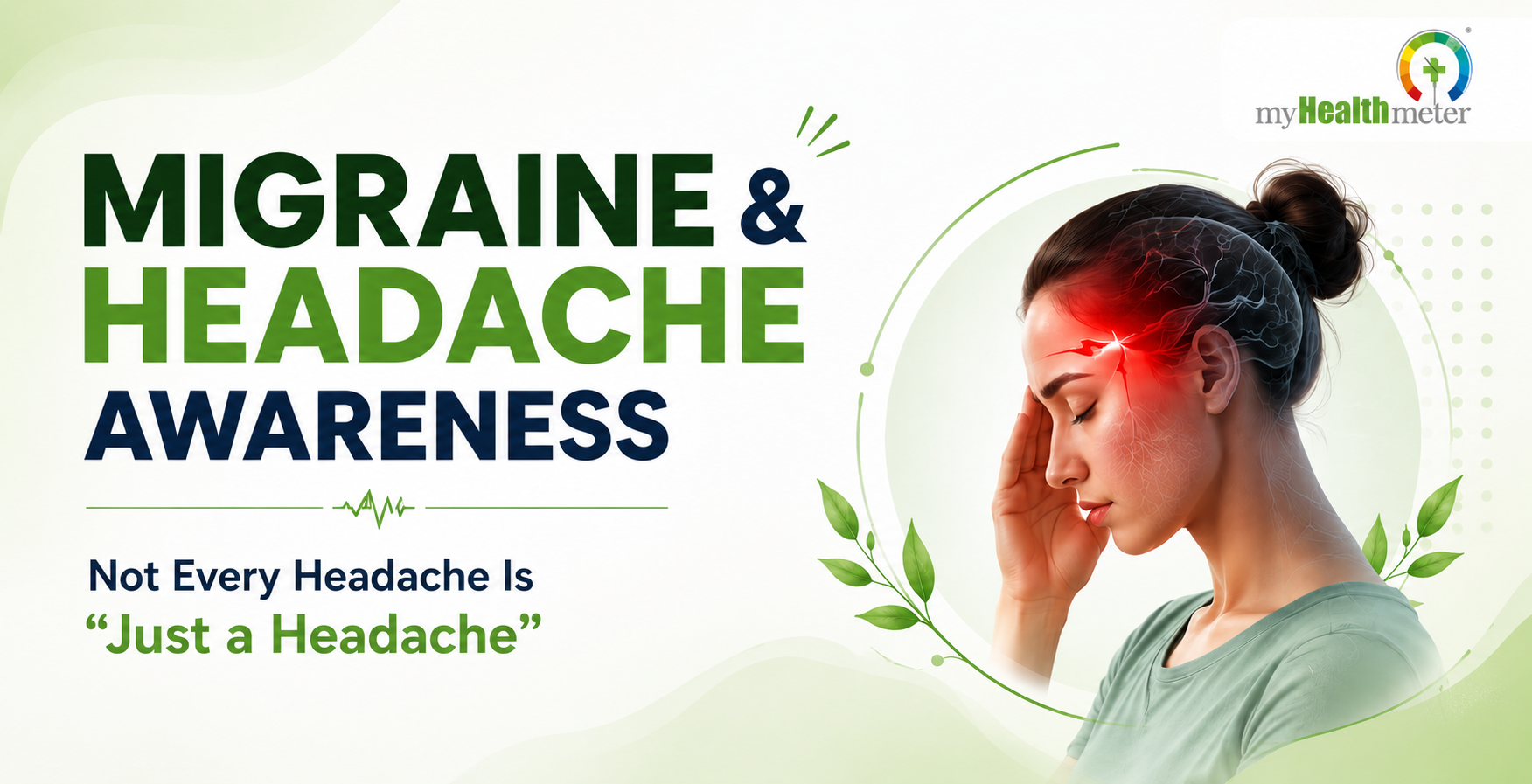
Migraine and Headache Awareness
Not Every Headache Is "Just a Headache"
It starts like any other morning. You wake up feeling fine, grab a cup of coffee, and begin your day. Then, a dull ache begins behind your eyes. You assume it's because you skipped breakfast or spent too much time staring at your laptop. A painkiller seems like the obvious solution. But within an hour, the discomfort intensifies. Bright lights become unbearable, every sound feels amplified, and even the thought of moving worsens the pain. What seemed like an ordinary headache has completely disrupted your day.
For millions of people, this is not an occasional inconvenience but a recurring reality. While headaches are among the most common health complaints worldwide, not every headache is the same. Many people experience migraines without realizing that they are dealing with a neurological condition rather than a simple headache. Unfortunately, because the symptoms often overlap, migraines are frequently ignored, self-medicated, or left untreated for years.
Migraine and headache awareness is essential because early diagnosis can significantly improve quality of life. According to global estimates, 1 in 7 people worldwide lives with migraine, making it one of the most prevalent neurological disorders. It is also the second leading cause of years lived with disability across the globe. In India, the burden is equally significant, with studies suggesting that nearly 20-25% of women and 8-10% of men experience migraines during their lifetime. Despite these numbers, nearly half of migraine sufferers remain undiagnosed or untreated, often assuming that recurring headaches are simply a part of life.
Understanding the difference between headaches and migraines is the first step toward better management and improved well-being.
What Causes Headaches?
A headache is not a disease but a symptom that can occur due to various physical, environmental, or lifestyle factors. It usually develops when pain-sensitive structures in the head, neck, or surrounding muscles become irritated.
Some of the most common causes include:
- Stress and anxiety
- Dehydration
- Lack of sleep
- Eye strain from prolonged screen time
- Poor posture
- Skipping meals
- Excessive caffeine or caffeine withdrawal
- Sinus infections
- High blood pressure
- Certain medications
Most headaches are temporary and improve with adequate hydration, rest, or over-the-counter pain relief. However, headaches that occur frequently or become severe should never be ignored.
What Causes Migraines?
Unlike ordinary headaches, migraines are a complex neurological disorder involving abnormal brain activity that affects nerve signaling, blood vessels, and brain chemicals.
Although the exact cause remains unclear, experts believe migraines result from a combination of genetic and environmental factors.
Common migraine triggers include:
- Poor or irregular sleep
- Emotional stress
- Hormonal fluctuations, particularly in women
- Bright lights or loud noises
- Strong smells
- Dehydration
- Weather changes
- Skipped meals
- Certain foods such as aged cheese, processed meats, chocolate, and artificial sweeteners
- Excessive caffeine or alcohol
- Long hours of screen exposure
Triggers vary from person to person, making it important to identify individual patterns through a headache diary.
Headache vs Migraine Understanding the Difference
Many people use the terms "headache" and "migraine" interchangeably, but they are not the same.
A regular headache usually produces mild to moderate pain that may affect both sides of the head. It often responds well to rest, hydration, or pain medication and generally does not interfere significantly with daily activities.
A migraine, however, is much more than severe head pain. It is a neurological condition that often causes intense throbbing pain, usually on one side of the head, lasting anywhere from four hours to three days. Migraines frequently come with additional symptoms that can make even routine tasks impossible.
Some people also experience an "aura" before a migraine begins, which may include flashing lights, blind spots, tingling sensations, or difficulty speaking.
If headaches repeatedly prevent you from working, studying, or carrying out daily activities, they may actually be migraines requiring medical evaluation.
Common Symptoms of Migraines and Headaches
Recognizing the symptoms early can help people seek appropriate treatment before the condition worsens.
Common headache symptoms include:
- Dull or constant head pain
- Tightness around the forehead
- Pressure behind the eyes
- Neck and shoulder tension
- Mild sensitivity to light
Common migraine symptoms include:
- Throbbing or pulsating headache
- Pain on one side of the head
- Sensitivity to light, sound, or smell
- Nausea and vomiting
- Visual disturbances such as flashing lights or blurred vision
- Dizziness
- Difficulty concentrating
- Fatigue before and after the attack
Migraine attacks often progress through different stages, including warning symptoms, the headache phase, and a recovery period during which individuals may feel exhausted for several hours or even days.
Who Is More at Risk?
Although migraines can affect anyone, certain groups are more susceptible.
Women are nearly three times more likely to experience migraines than men due to hormonal changes associated with menstruation, pregnancy, and menopause. Individuals with a family history of migraines also have a higher risk, suggesting a strong genetic component.
People with high-stress lifestyles, irregular sleep schedules, obesity, anxiety disorders, depression, or excessive screen exposure may also experience migraines more frequently.
Children and teenagers can develop migraines as well, although the symptoms may differ from those seen in adults.
When Should You See a Doctor?
While occasional headaches are common, some symptoms require immediate medical attention.
Consult a healthcare professional if you experience:
- Frequent headaches occurring several times each month
- Sudden, severe headaches unlike any previous episode
- Headaches accompanied by fever, confusion, weakness, or seizures
- Vision loss or persistent blurred vision
- Headaches after a head injury
- Increasing frequency or severity of headaches
- Headaches that interfere with work, sleep, or daily life
Early diagnosis allows doctors to identify the type of headache and recommend the most effective treatment plan.
How Are Migraines Managed?
Migraine treatment usually involves a combination of medications, lifestyle modifications, and trigger management.
Doctors may recommend pain-relieving medicines during an attack, along with preventive medications for people who experience frequent migraines.
Equally important are lifestyle changes such as maintaining regular sleep schedules, staying hydrated, exercising regularly, managing stress, and avoiding known triggers.
Some individuals also benefit from relaxation techniques including yoga, meditation, breathing exercises, and cognitive behavioural therapy.
Because every person's triggers and symptoms differ, treatment plans should always be individualized.
Prevention Tips for Better Brain Health
Although not all migraines can be prevented, healthy daily habits can significantly reduce their frequency and severity.
Simple preventive measures include:
- Maintain a consistent sleep schedule.
- Stay hydrated throughout the day.
- Never skip meals.
- Exercise regularly.
- Limit prolonged screen time and take frequent breaks.
- Reduce stress through meditation, yoga, or mindfulness.
- Keep a headache diary to identify personal triggers.
- Avoid excessive caffeine and alcohol.
- Eat a balanced diet rich in fruits, vegetables, whole grains, and lean proteins.
- Consult a healthcare professional if headaches become frequent or severe.
Don't Ignore Recurrent Headaches
Many people dismiss recurring headaches as a normal part of a busy lifestyle. However, persistent headaches may be your body's way of signalling an underlying neurological condition that deserves medical attention.
The encouraging news is that migraines can often be effectively managed with early diagnosis, the right treatment, and healthy lifestyle changes. Understanding your symptoms, recognizing triggers, and seeking timely medical advice can help reduce the frequency and intensity of attacks while improving your overall quality of life.
Remember, not every headache is "just a headache." If you or someone you know experiences recurrent headaches or migraine symptoms, don't ignore them. Awareness is the first step toward relief, better brain health, and living a healthier, pain-free life.
Download App


- © 2026 HealthMeter Services Pvt. Ltd. All rights reserved
- Privacy Policy
- Terms of use
- Cancellation & Refund Policy
- Legal
Site by Intermind