


IBS Awareness - What Your Digestive Discomfort Is Trying to Tell You
-
April 13, 2026
-
252 Views
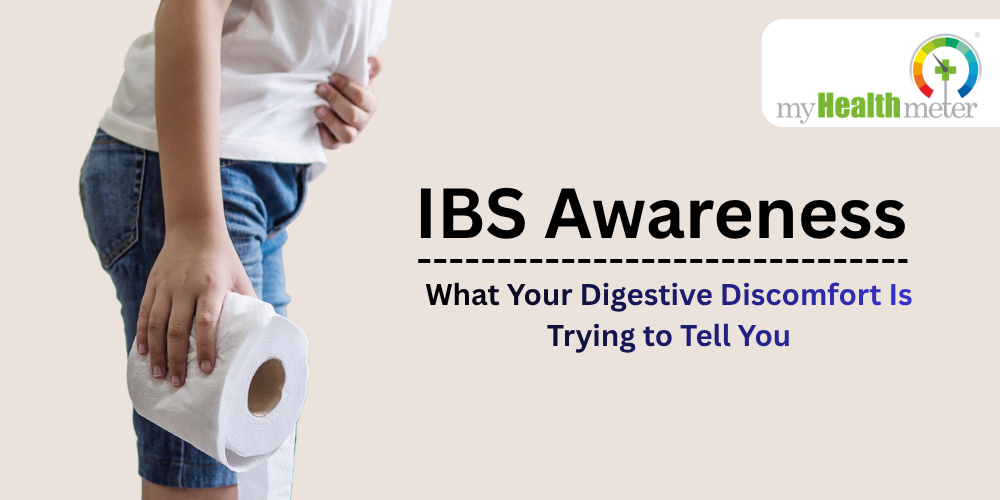
IBS Awareness - What Your Digestive Discomfort Is Trying to Tell You
April is observed as Irritable Bowel Syndrome (IBS) Awareness Month, but in India, IBS remains widely under-recognized despite affecting a significant portion of the population.
Studies suggest that IBS prevalence in India ranges between 4% and 7.9%, with some urban estimates going even higher due to lifestyle factors. In certain community-based studies, prevalence has been reported at around 4%, while others indicate it could be as high as 15% depending on population and diagnostic criteria.
Globally, IBS affects about 10–15% of people, placing India within a substantial burden zone, especially when adjusted for underreporting.
What makes IBS particularly concerning is not just its prevalence, but its invisibility. Unlike many gastrointestinal conditions, IBS does not show up on scans or blood tests. Yet, it significantly disrupts daily life with symptoms like abdominal pain, bloating, and unpredictable bowel habits.
Even more critical is the fact that only a fraction of people seek medical help. Cultural normalization of digestive discomfort, self-medication, and lack of awareness often delay diagnosis. Over time, IBS can affect productivity, mental health, and quality of life, making it far more than “just a stomach issue.”
What causes IBS
IBS is classified as a functional gastrointestinal disorder, meaning the gut appears structurally normal but does not function optimally. The exact cause is not singular, but rather a combination of interconnected factors.
1. Gut–brain axis dysfunction
The communication between the brain and gut becomes hypersensitive. This is why stress often triggers or worsens IBS symptoms.
2. Altered gut motility
Some individuals experience faster movement (leading to diarrhoea), while others have slower transit (causing constipation).
3. Gut microbiome imbalance
An imbalance in healthy gut bacteria can disrupt digestion and increase sensitivity.
4. Food triggers
Certain foods, especially high-FODMAP foods, spicy meals, caffeine, and processed foods, can aggravate symptoms.
5. Past infections
A history of gastrointestinal infections or food poisoning can lead to post-infectious IBS.
6. Chronic stress and lifestyle
Stress, poor sleep, and sedentary habits significantly influence gut function and symptom severity.
In essence, IBS is not caused by one factor, but by a complex interplay between biology, lifestyle, and psychological health.
Symptoms experienced in IBS
IBS symptoms can vary widely from person to person, which is one reason it is often misdiagnosed or ignored.
Common symptoms include:
- Abdominal pain or cramping (often relieved after passing stool)
- Bloating and gas
- Diarrhoea, constipation, or alternating between both
- Urgency to pass stool
- Feeling of incomplete bowel evacuation
- Mucus in stool
Beyond digestive symptoms, IBS can also lead to:
- Fatigue
- Anxiety or stress
- Sleep disturbances
- Reduced quality of life
The unpredictability of symptoms is what makes IBS particularly disruptive. One day may feel normal, while the next may involve discomfort that affects work, travel, or social interactions.
How is IBS diagnosed
Diagnosing IBS is less about finding something and more about ruling out other conditions.
1. Symptom-based criteria
Doctors primarily use the Rome IV criteria, which focus on recurring abdominal pain associated with bowel habit changes.
2. Medical history and physical examination
A detailed history helps identify symptom patterns and triggers.
3. Exclusion of other conditions
Tests may be conducted to rule out:
- Inflammatory bowel disease (IBD)
- Celiac disease
- Infections
- Colon cancer (in high-risk individuals)
4. Limited diagnostic tests
Blood tests, stool tests, or imaging may be used selectively, but IBS itself does not show abnormalities in these tests.
The key challenge is that IBS has no single biomarker, which contributes to delayed diagnosis and underreporting in India.
Preventive tips for a healthier gut
While IBS may not always be preventable, its symptoms can be significantly managed and reduced with consistent lifestyle changes.
1. Identify and avoid trigger foods
Keep a food diary to track what worsens symptoms. Common triggers include:
- Spicy and oily foods
- Dairy (in lactose intolerance)
- Caffeine
- Artificial sweeteners
A low-FODMAP diet, under professional guidance, can be particularly effective.
2. Prioritize gut-friendly eating habits
- Eat smaller, frequent meals
- Avoid overeating
- Chew food slowly
- Stay hydrated
Simple changes in eating patterns can reduce gut stress.
3. Manage stress actively
The gut and brain are deeply connected. Stress management is not optional—it is essential.
- Practice yoga or meditation
- Try breathing exercises
- Ensure adequate sleep (7–8 hours daily)
Even moderate stress reduction can improve symptoms significantly.
4. Stay physically active
Regular exercise helps regulate bowel movements and reduces stress.
- Aim for at least 30 minutes of activity daily
- Walking, cycling, or yoga can be highly beneficial
5. Improve gut microbiome
- Include probiotics (curd, fermented foods)
- Increase fibre intake gradually
- Avoid unnecessary antibiotic use
A balanced microbiome supports long-term digestive health.
6. Seek early medical advice
Do not normalize persistent digestive discomfort. Early consultation can:
- Prevent worsening of symptoms
- Improve quality of life
- Avoid unnecessary complications
IBS may not be life-threatening, but it is life-altering.
In India, where digestive issues are often dismissed as routine or temporary, IBS continues to go unnoticed and unmanaged. Awareness is the first step toward change.
This IBS Awareness Month, the focus should shift from ignoring symptoms to understanding them. Because when it comes to gut health, what feels “minor” today can become a long-term disruption tomorrow.
Your gut is not just about digestion. It influences your energy, mood, and overall well-being. And IBS is your body’s way of asking you to pay attention.
Download App


- © 2026 HealthMeter Services Pvt. Ltd. All rights reserved
- Privacy Policy
- Terms of use
- Cancellation & Refund Policy
- Legal
Site by Intermind