


Hydration for Wellness - Why Your Body Needs More Than Just Water During Summer
-
May 11, 2026
-
232 Views
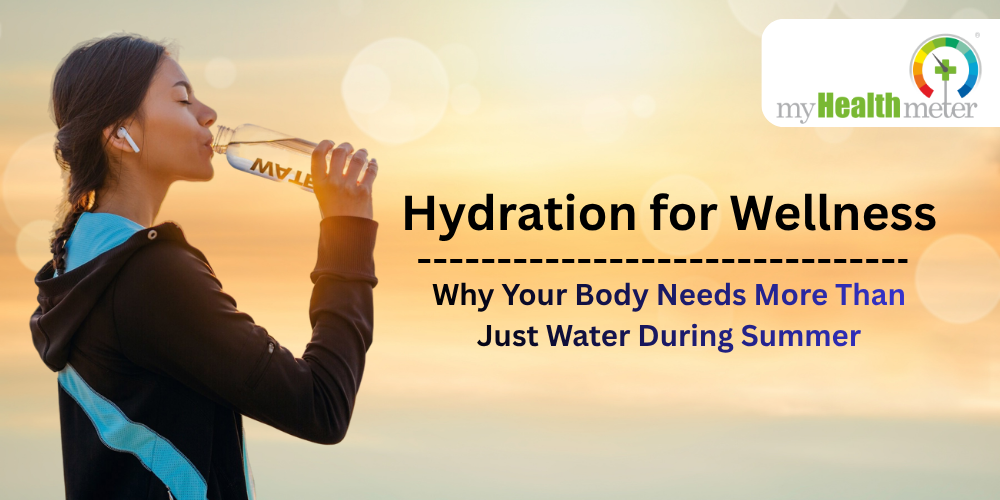
Hydration for Wellness
Why Your Body Needs More Than Just Water During Summer
It usually begins quietly.
An employee sitting at a desk suddenly feels unusually tired. A factory worker who was energetic in the morning now struggles to stay focused. A delivery executive pauses in the shade for a few extra minutes, trying to shake off dizziness. Someone complains of a headache. Someone else feels irritated for no clear reason.
Most people blame stress, workload, lack of sleep, or simply “the summer heat.”
But often, the body is sending a far more important message — it is running low on hydration.
During high heat months, dehydration becomes one of the most common yet ignored health concerns. The danger is that it rarely feels serious in the beginning. It does not always arrive dramatically with collapse or extreme thirst. Instead, it slowly affects energy levels, focus, mood, digestion, and physical performance long before people realize what is happening.
Water is not just something we drink when thirsty. It is one of the body’s most essential requirements for survival. Every organ, tissue, and cell depends on it to function properly. From regulating temperature to carrying nutrients and oxygen throughout the body, hydration quietly powers almost every biological process that keeps us active and healthy.
And when hydration drops, the body begins struggling in ways we often fail to notice.
Understanding Heat Exhaustion
The human body is designed to maintain a stable internal temperature. During summer, sweating becomes the body’s natural cooling mechanism. As sweat evaporates, it helps release excess heat and keeps the body from overheating.
But this system works only when the body has enough fluids available.
When excessive sweating causes heavy fluid and electrolyte loss without proper replacement, the body starts finding it difficult to cool itself efficiently. This condition is known as heat exhaustion.
Heat exhaustion commonly affects people who spend long hours outdoors, work in physically demanding environments, travel frequently, or remain exposed to direct sunlight for extended periods. However, even individuals working indoors may experience dehydration if they fail to drink enough fluids throughout the day.
What makes heat exhaustion dangerous is how normal it initially feels. Many people continue working despite symptoms because they assume they are simply tired or “not feeling fresh” due to the weather.
Ignoring these warning signs can place severe stress on the body and may eventually lead to heat stroke, which is a serious medical emergency.
Symptoms Often Seen During High Heat Months
The body usually gives several early signals when hydration levels begin dropping.
One of the most common symptoms is fatigue. Even small physical tasks may suddenly feel exhausting because the body struggles to circulate oxygen and nutrients effectively. Headaches are also extremely common during dehydration, especially after prolonged exposure to heat.
Many people experience dizziness, muscle cramps, or excessive weakness during hot afternoons. Others may notice difficulty concentrating, irritability, or unusual mood changes because dehydration impacts brain function very quickly.
Physical signs such as dry lips, excessive thirst, dark yellow urine, and reduced urination are also common indicators that the body needs immediate hydration.
In more severe situations, symptoms may include nausea, rapid heartbeat, confusion, fainting, or heavy sweating followed by clammy skin.
These signs should never be ignored, especially during intense summer conditions.
What Causes Dehydration?
Most people assume dehydration happens only when they forget to drink water. In reality, several daily habits and environmental factors contribute to fluid loss.
Hot weather remains one of the biggest causes because the body sweats constantly to regulate temperature. People who work outdoors or engage in physically demanding activities lose fluids much faster than they realize.
Exercise without proper hydration can also lead to dehydration quickly. Similarly, illnesses such as fever, diarrhoea, or vomiting can drain large amounts of fluids from the body within a short period.
Another common contributor is excessive caffeine or sugary drink consumption. While tea, coffee, soft drinks, and packaged beverages may feel refreshing temporarily, they cannot fully replace the hydration and electrolytes the body requires during summer.
Many people also wait until they feel thirsty before drinking water. The problem is that thirst often appears after dehydration has already begun.
By the time the body strongly demands water, it may already be functioning under stress.
What Happens to the Body During Dehydration?
The human body is made up of nearly 60 percent water, which means hydration affects almost every major organ system.
When dehydration begins, the brain is often affected first. Even mild fluid loss can reduce concentration, memory, and alertness. This explains why dehydrated individuals often feel mentally tired, distracted, or irritated during hot days.
At the same time, blood volume decreases because there is less fluid available in circulation. The heart must work harder to pump oxygen and nutrients throughout the body, leading to quicker exhaustion and lower stamina.
The body also struggles to regulate temperature efficiently. Sweating becomes less effective without enough fluids, increasing the risk of overheating.
Muscles are heavily impacted as well. Since sweating causes electrolyte loss, dehydration can lead to cramps, weakness, and poor physical performance.
Digestion slows down when the body lacks water, often resulting in constipation, acidity, or bloating. The kidneys also experience additional strain because they depend on water to remove toxins and waste efficiently.
If dehydration becomes severe, it can lead to serious complications including heat stroke, loss of consciousness, seizures, or organ stress.
Simple Ways to Stay Hydrated and Healthy
Preventing dehydration does not require complicated routines. Small, consistent habits can make a major difference.
Drinking water regularly throughout the day is one of the most effective ways to maintain hydration. Instead of consuming large amounts at once, frequent intake helps the body absorb fluids more efficiently.
Starting the day with one or two glasses of water helps replenish fluids lost overnight. Carrying a reusable water bottle can also serve as a simple reminder to hydrate during work or travel.
Hydration is not limited to water alone. Fruits and vegetables with high water content such as watermelon, cucumber, oranges, and tomatoes naturally support the body’s fluid balance.
Electrolyte-rich options like coconut water, buttermilk, and lemon water with a pinch of salt can help replace minerals lost through sweating.
It is also important to wear breathable clothing, avoid direct sunlight during peak afternoon hours, and take cooling breaks whenever possible.
For workplaces, especially those involving outdoor or physical labor, hydration awareness should become part of daily wellness practices. Easy access to drinking water, scheduled hydration reminders, and heat awareness initiatives can help employees remain healthier and more productive during summer.
Hydration Is a Daily Wellness Habit
Hydration is often ignored because it feels too simple to matter.
Yet something as basic as water affects energy, focus, mood, digestion, physical stamina, and overall wellness every single day. During summer, staying hydrated is not just about comfort — it is about protecting the body from unnecessary stress and exhaustion.
The body constantly sends signals when it needs support. Fatigue, dizziness, headaches, and weakness are not always signs of overwork. Sometimes, they are simply signs that the body needs hydration.
Wellness does not always begin with major lifestyle changes.
Sometimes, it begins with something as basic — and as powerful — as drinking enough water before the body starts struggling without it.
Download App


- © 2026 HealthMeter Services Pvt. Ltd. All rights reserved
- Privacy Policy
- Terms of use
- Cancellation & Refund Policy
- Legal
Site by Intermind