


Breastfeeding: A Natural Start with Lifelong Benefits for Mother and Baby
-
August 06, 2026
-
162 Views
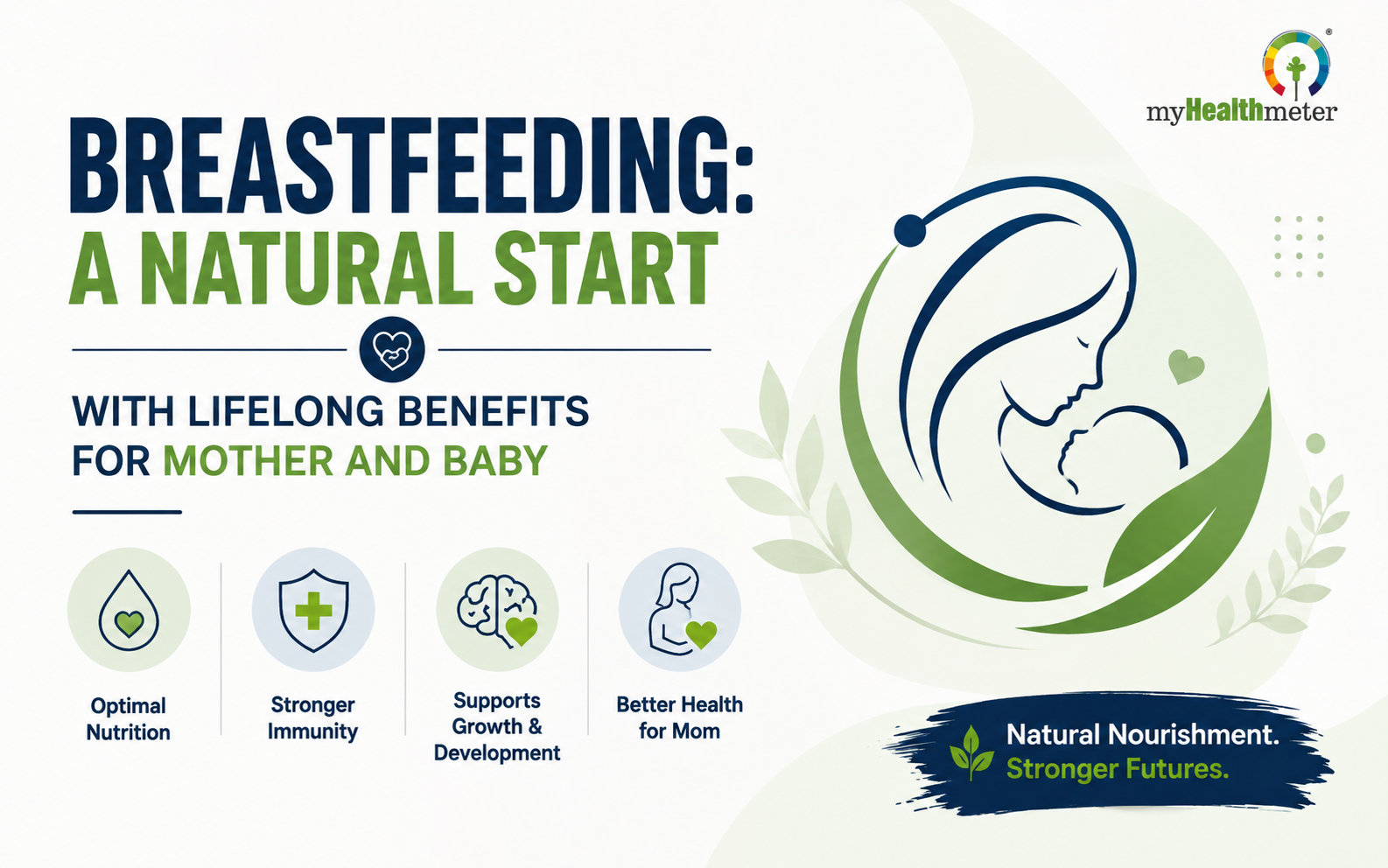
Breastfeeding: A Natural Start with Lifelong Benefits for Mother and Baby
Breastfeeding is one of the most powerful beginnings a child can have. It is more than feeding — it is a biological system built to support immunity, development, recovery, and bonding in the earliest and most vulnerable stage of life. For mothers, it also offers meaningful health advantages that extend well beyond the postpartum period.
Research has consistently shown that breastfeeding supports both short-term and long-term wellbeing. For babies, breast milk provides ideal nutrition and protective antibodies that help reduce the risk of infections and other health complications. For mothers, breastfeeding has been linked to a lower risk of certain cancers, better metabolic health, and improved postpartum recovery. It is a simple act with far-reaching health value.
Why breastfeeding matters
The value of breastfeeding begins at birth. Breast milk contains the right balance of nutrients, immune-supporting components, and bioactive substances that adapt to the baby’s changing needs. It helps strengthen the infant’s immune system during a period when their own defenses are still developing.
For mothers, breastfeeding supports uterine contraction after delivery, helps the body return to its pre-pregnancy state, and can contribute to long-term health protection. Studies have also associated breastfeeding with reduced risks of breast and ovarian cancers, as well as improved metabolic outcomes over time.
What mothers and babies gain
The benefits of breastfeeding are not limited to nutrition alone. Breastfed infants are generally less likely to experience common illnesses such as diarrhea and respiratory infections. They may also have better protection against some long-term health risks later in life.
For mothers, breastfeeding can support recovery and may lower the likelihood of developing chronic conditions. Beyond physical health, it also strengthens emotional connection, which can support maternal confidence and bonding during the early months of motherhood.
What can make breastfeeding difficult
Although breastfeeding is natural, it is not always easy. Many mothers face practical and physical challenges in the early days. These may include discomfort, difficulty with latch, concerns about milk supply, breast fullness, or anxiety about whether the baby is feeding well enough.
Some of the most common difficulties include:
- Painful or ineffective latch.
- Sore or cracked nipples.
- Low or inconsistent milk supply.
- Breast engorgement or blocked milk ducts.
- Fatigue, stress, or uncertainty about feeding patterns.
- Challenges related to positioning, infant sleepiness, or returning to work.
These concerns are common, and most can be addressed with timely guidance and reassurance. What matters most is early support, not silent struggle.
When support is needed
Mothers should seek help if feeding becomes painful, if the baby is not gaining weight as expected, or if there are signs such as dehydration, persistent breast pain, fever, or breast lumps that do not improve. Support is also valuable when returning to work, during weaning, or in more complex situations such as premature birth, twins, or tongue-tie.
The earlier support is given, the better the experience often becomes. Breastfeeding should never feel like a test of endurance. It should feel like a supported journey.
Breastfeeding needs a system of care
One of the most important things to remember is that breastfeeding success is shaped by support systems. Information alone is not enough. Mothers need privacy, time, encouragement, and access to trained guidance. Healthcare providers, families, and workplaces all play a role in making breastfeeding sustainable.
A breastfeeding-friendly environment includes:
- Accurate, practical guidance.
- Access to lactation support.
- Flexible workplaces and private spaces for pumping.
- Emotional support without judgment.
- Respect for every mother’s circumstance and choice.
This matters because breastfeeding is not only a personal health decision — it is also a public health and workplace support issue.
A shared responsibility
Promoting breastfeeding is not just about encouraging mothers. It is about creating conditions where mothers can actually continue it. That means addressing misinformation, workplace barriers, social pressure, and lack of support. It also means recognizing that every mother’s journey is different.
Breastfeeding is a choice that deserves respect, and a health practice that deserves protection. When women are empowered with the right information and the right environment, both mothers and children benefit.
Breastfeeding is a natural beginning with lifelong value. It supports early growth, strengthens immunity, helps maternal recovery, and builds the foundation for healthier families. But for breastfeeding to truly succeed, it must be supported by care, not assumptions.
Download App


- © 2026 HealthMeter Services Pvt. Ltd. All rights reserved
- Privacy Policy
- Terms of use
- Cancellation & Refund Policy
- Legal
Site by Intermind